

MagnaFork is a private participation network where a person does not need to figure everything out again after every sign-in: the rules are visible in advance, conversation inside the fork does not collapse into one stream, and return with the same wallet keeps the context intact.
Why this matters to a person
In MagnaFork, a person does not have to first search for the rules, then understand who is nearby, and then find their conversation again. Here, the following work together:
- clear conditions before entry;
- confirmed status after entry;
- a shared chat inside their fork;
- a personal thread that does not collapse into the shared stream;
- a clear boundary between shared and personal conversation;
- signing in again with the same wallet without losing status, chat, or personal messages.
The value is not “more features.” The value is that participation becomes easy to read. A person understands where they are, who is around them, where the shared conversation lives, and where their personal messages stay personal.
A person does not have to assemble it piece by piece
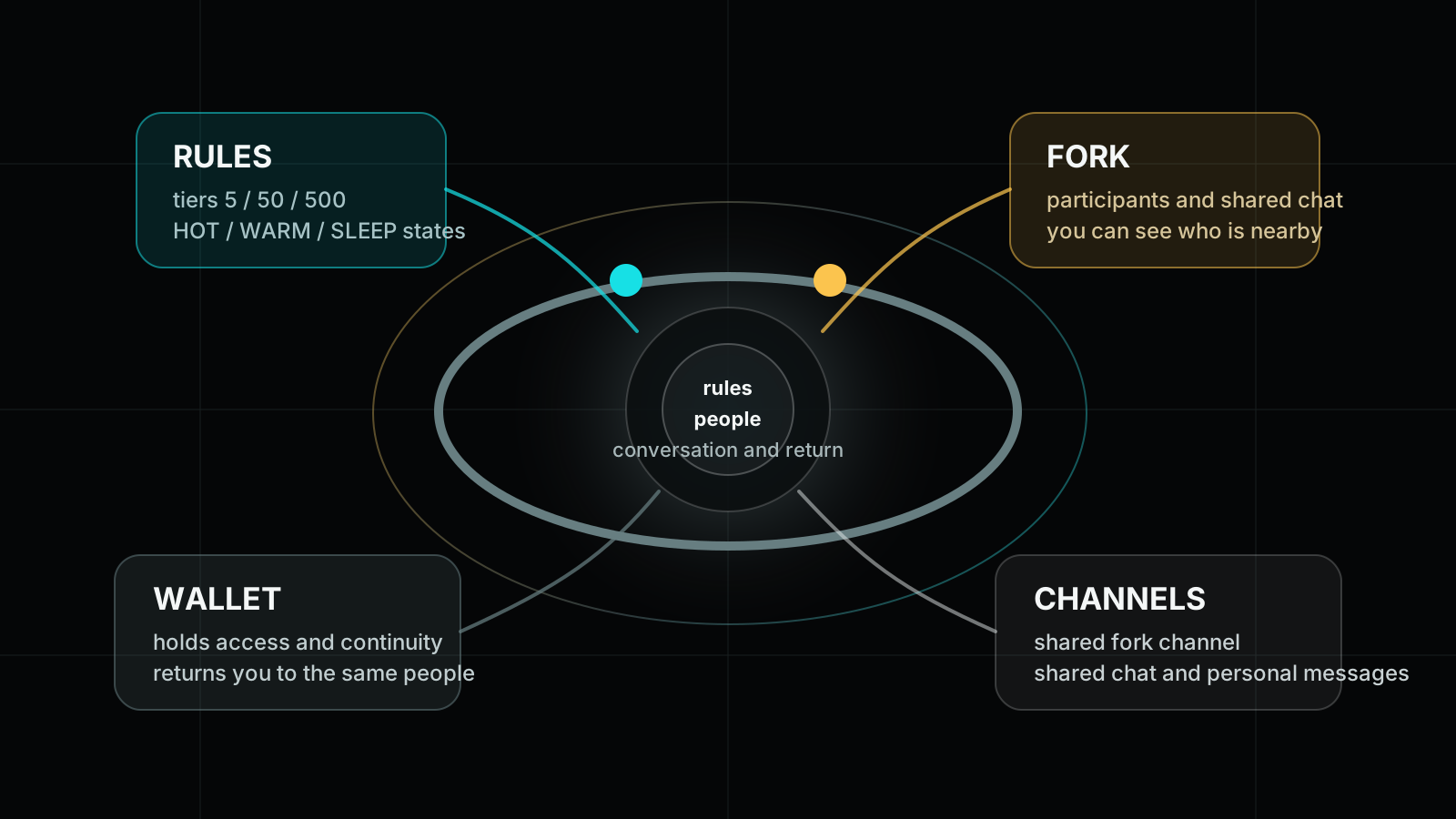
Rules, shared chat, personal messages, and return do not fall apart into separate pieces of experience.
From the participant perspective, everything is visible in one place:
| Layer | What it holds | What the participant gets |
|---|---|---|
| Rules | participation conditions and confirmed status | clear conditions before action and status that can be verified after it |
| Fork | participants and shared chat | who is nearby and where the group conversation happens |
| Wallet | sign-in and return | signing in again without losing place, status, or messages |
| Conversation | shared and personal channels | a clear split between the group conversation and personal messages |
That is why participation feels coherent. A person sees the rule in advance, understands who is in the same fork, and comes back to the same conversation after signing in again.
Shared chat and personal messages do not collapse into one flow
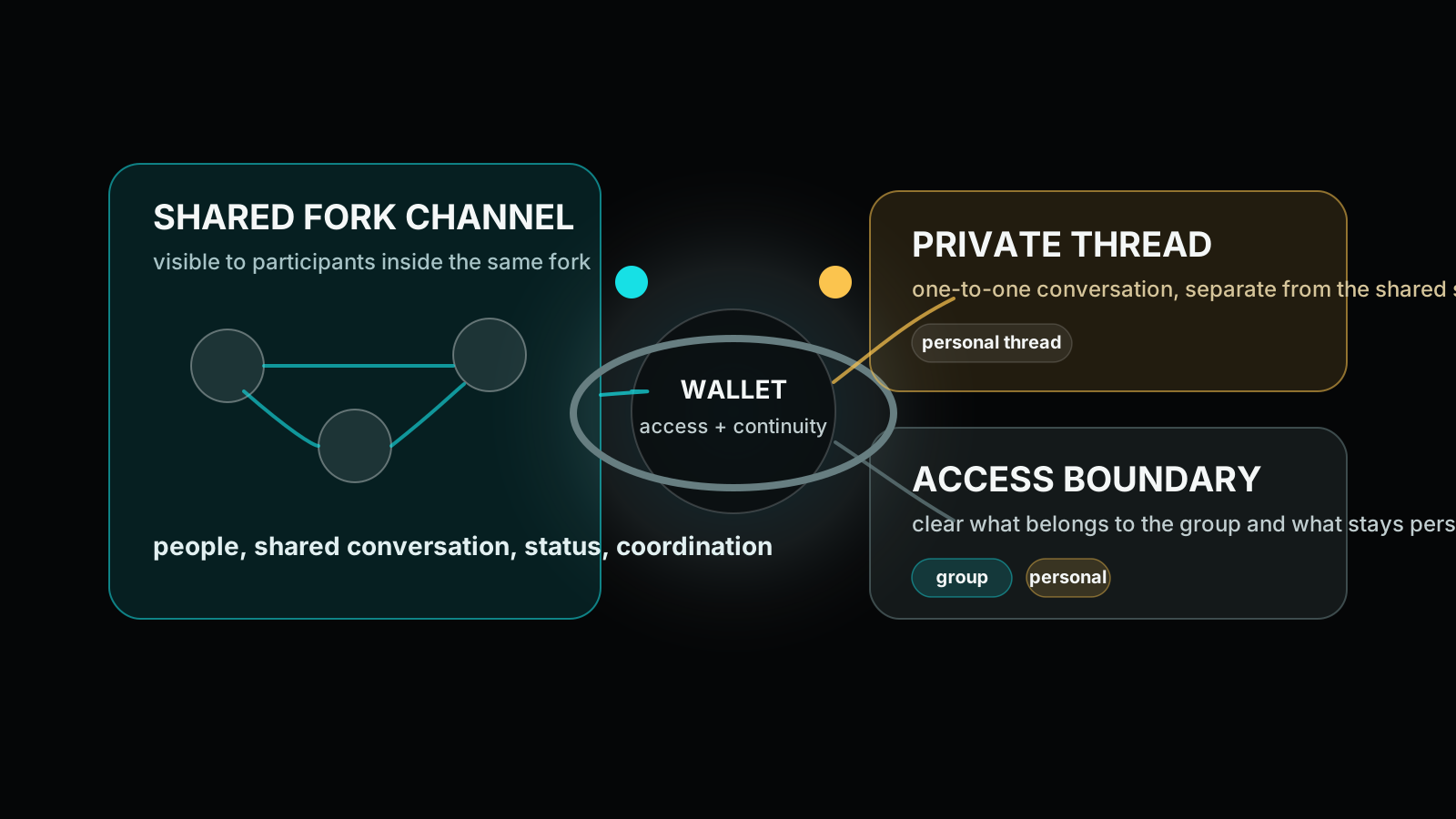
The shared fork chat is for the whole group. Personal messages are for one-to-one conversation. With the same wallet, a person returns to both.
Inside MagnaFork, the fork chat and personal messages stay separate.
| Channel | What it is for | What it gives |
|---|---|---|
| Shared fork chat | coordination inside one fork | it is visible to participants of that fork, not to outsiders |
| Personal messages | one-to-one conversation | the exchange stays direct and does not disappear inside the shared chat |
| Message protection | a clear access boundary | it is immediately clear what belongs to the group and what stays personal |
That is what makes communication easy to understand. A participant can immediately see what belongs to the whole group and what remains a personal conversation.
Signing in again returns you to the same context
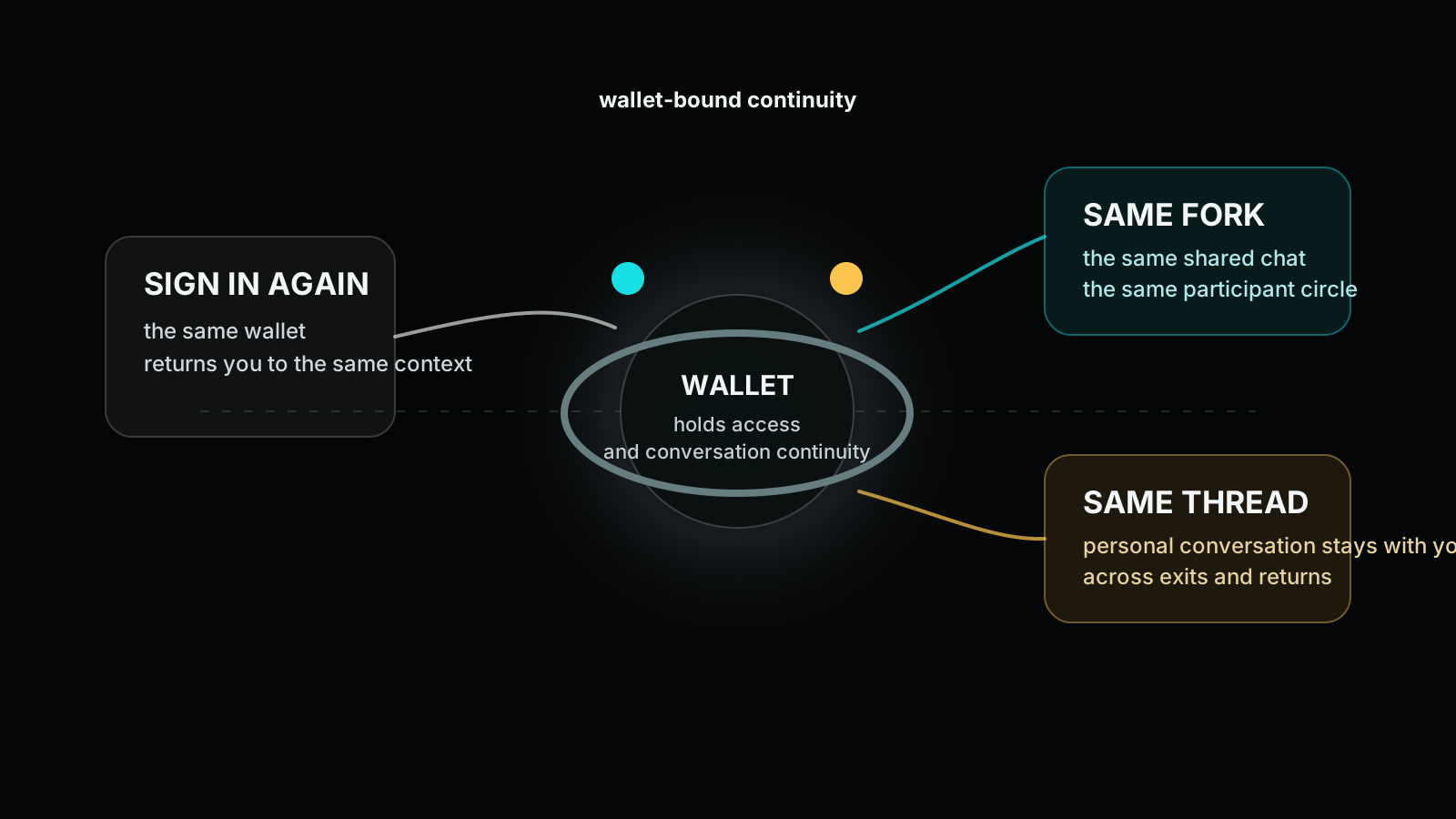
With the same wallet, a person returns to the same status, the same fork chat, and the same personal messages.
When sign-in continuity works correctly, the participant returns to:
- the same place in the fork;
- the same shared chat;
- the same personal messages;
- the same people and conversations.
This is one of MagnaFork’s strongest product effects. If conversation breaks every time a person comes back, trust in the environment weakens quickly. If return works consistently, the fork feels like a place where connection between people remains intact.
What trust stands on
MagnaFork is built on verifiable logic:
- participation tiers of
5 / 50 / 500 USDT; - a fixed
7%operator fee; HOT / WARM / SLEEPactivity states;- payout and split at
8/8; - on-chain events on Polygon that can be checked against reality.
MagnaFork does not promise guaranteed returns or fixed timing. Cycle speed depends on real entry flow and invite activity, not on a marketing claim.
The same applies to privacy. What matters here is not loud wording, but a simple picture for the participant:
- which rules apply before entry;
- where the shared conversation happens;
- where the personal one stays personal;
- what survives the next sign-in;
- what can be verified in status and on-chain.
MagnaFork is strongest when the rule is visible in advance, status can be checked against facts, and conversation does not restart from zero after every sign-in.
Why MagnaFork is clear from the first entry
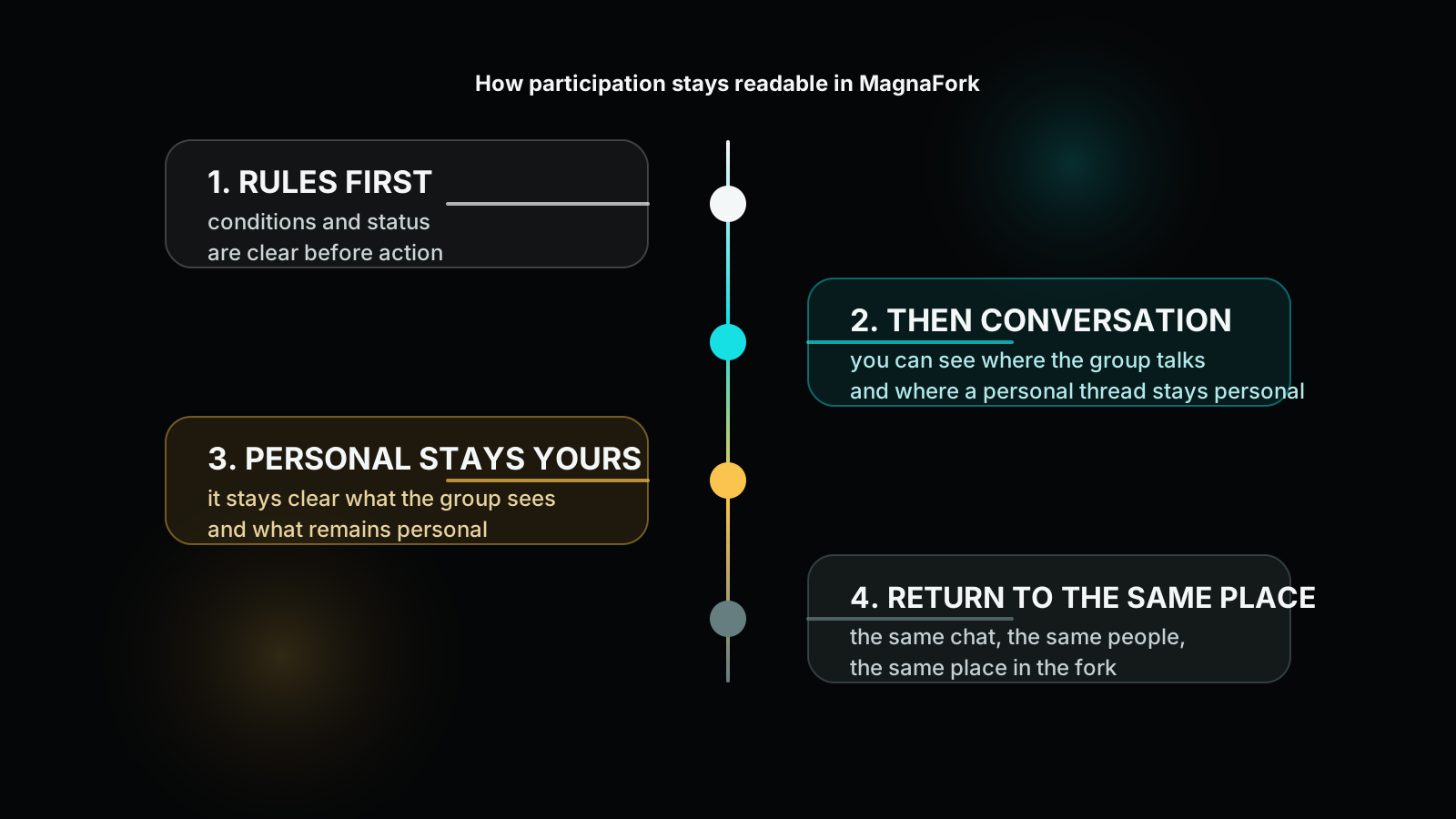
First a person sees the rule. Then the people and conversation. After that they return to the same context.
MagnaFork feels clear and coherent because this order does not break:
- first the person sees the rule;
- then they understand who belongs to their fork;
- then they get the shared chat and personal messages;
- and after that they return to them on the next sign-in.
Here the rule is visible in advance, shared and personal conversation stay separate, and signing in again does not break the connection to the group. That is why MagnaFork does not read as a set of separate actions, but as a place where a person understands what happens before entry, during conversation, and after return.